How-to
How to use the Dyson Airstrait
Published
Note: This page contains affiliate links. If you buy through them we may earn a commission at no extra cost to you. Learn more
In short
Towel dry your hair until it is damp, not dripping, and detangle it. Select wet mode, take a section no wider than the arms, close the Airstrait near the root and glide slowly down, letting the air dry and straighten each section. Work from the back upwards. Once hair is dry, switch to dry mode to smooth flyaways or refresh on non wash days. Yes, you can use it on dry hair.
Products for this job
Compare all 6 productsShark FlexStyle 5-in-1: paddle brush styling, 700 g
Check price on AmazonAffiliate linkShark Glam: multi-styler with Silki straightening tool
Check price on AmazonAffiliate linkDreame AirStyle Era 8-in-1: straightening nozzle, 110,000 rpm
Check price on AmazonAffiliate link
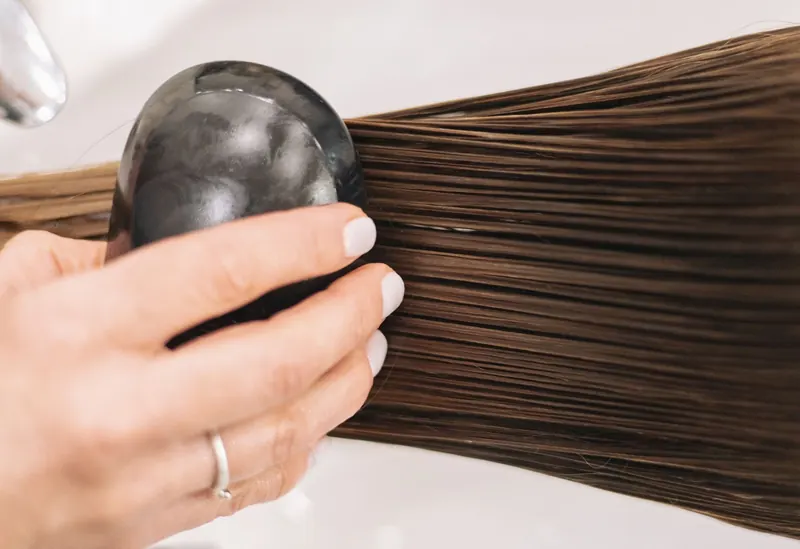
The Dyson Airstrait dries and straightens at the same time using two jets of air instead of hot plates. Because it works differently from a straightener, the technique is different too: you move more slowly, let the air do the work and work from damp hair. This guide walks through wet mode and dry mode, section size and glide speed. Dyson updates its controls and settings between versions, so follow the quick start guide and manual for your Airstrait for the exact buttons and temperature settings.
How the Airstrait works
The Airstrait pushes heated air down through the hair between its two arms at an angle, which Dyson says creates tension while it dries. Its Hyperdymium motor spins at up to 106,000 rpm, and glass bead thermistors measure the air temperature up to 500 times a second. The listing also says it senses when hair is between the arms. There are no hot plates, so it does not press hair against heated metal.
Dyson says this lets you skip a separate blow dry and save up to 8 minutes per style. The result tends to be smooth and straight with natural movement rather than flat and pin straight.
Preparing your hair
Wash and condition as usual, then towel dry thoroughly. Hair should be damp, not dripping: excess water slows drying and means more passes. Detangle with a wide tooth comb from the ends upwards. Apply your usual styling or protection product if you use one, following its directions.
Section the hair with clips. Dyson's guidance is to work from the back upwards, especially on curly and coily hair, so start by clipping everything above the nape out of the way.
- Towel dried, detangled hair
- Sectioning clips
- Wide tooth comb
- Optional styling product
Step by step: wet mode
Glide speed matters more than pressure. If the result is frizzy or damp, slow down and take thinner sections. If you want more body at the root, start the glide a little lower down the section.
- 1
Plug in and switch on. Select wet mode as shown in your quick start guide.
- 2
Take a section no wider than the Airstrait's arms and fairly thin, so the air can pass through it.
- 3
Comb the section smooth and hold it out from your head.
- 4
Close the arms near the root, keeping them clear of the scalp.
- 5
Glide slowly and steadily down to the ends. Slower than you would with a straightener.
- 6
If the section still feels damp, repeat the pass. It is normal for thick or long hair to need more than one pass.
- 7
Work up through the layers, finishing at the crown and front.
- 8
Let your hair cool, then check for any damp patches before finishing.
Using the Airstrait on dry hair
Yes, you can use the Airstrait on dry hair. Dry mode is designed for smoothing, touch ups and second day styling, and Dyson lists temperature settings you can choose in each mode. Use thinner sections and a smooth glide, as you are smoothing rather than drying.
If you mostly style dry hair and want a very sleek, pin straight finish or curls, a plate straightener may suit you better. Our Airstrait vs Corrale comparison explains the difference.
| Wet mode | Dry mode | |
|---|---|---|
| Starting hair | Towel dried, damp | Fully dry |
| Job | Dry and straighten together | Smooth, refresh, touch up |
| Section | No wider than the arms, thin | Thin |
| Glide | Slow; repeat if still damp | Smooth and steady |
Tips by hair type
For more on the tool itself, read is the Dyson Airstrait worth it. If yours stops working or shows a warning, see Dyson Airstrait not working. To compare it with other wet to dry stylers, see the best wet to dry straighteners.
- Fine hair: slightly larger sections and a steady glide are usually enough.
- Thick or long hair: thinner sections, a slower glide and repeat passes where damp.
- Curly or coily hair: work from the back upwards in small sections, as Dyson's guidance suggests.
- Fringes: hold the fringe down and glide forwards and down for a smooth fall.
Safety and care
The Airstrait is a mains appliance used on damp hair. Towel dry first, never use it near a filled sink or bath and keep it away from running water. Keep the air intake clear of hair and dust and clean the filter as the manual describes. Unplug after use and let it cool before storing.
Note:Hot air can burn skin. Keep the outlets away from your scalp and face, and stop using the tool if the cable or casing is damaged. Contact Dyson support for faults.
Frequently asked questions
Can you use the Dyson Airstrait on dry hair? Yes. Use dry mode for smoothing and touch ups on dry hair.
How wet should hair be for the Airstrait? Damp, not dripping. Towel dry well first so it dries in fewer passes.
How slowly should I glide the Airstrait? Slower than a straightener. Let the air dry each section, and repeat passes where hair is still damp.
Does the Airstrait work on curly hair? Dyson says it suits straight, wavy, curly and coily hair. Work from the back upwards in small sections.
What you need
- Check price on AmazonAffiliate link
Shark FlexStyle 5-in-1: auto-wrap curls, any skill set
From: Best wet-to-dry straighteners like the Dyson Airstrait
- Check price on AmazonAffiliate link
ghd Chronos: motion-responsive heat held at 185°C
From: Best hair straighteners in the UK: premium models compared
- Check price on AmazonAffiliate link
Dyson Airstrait: straightens wet hair with air